abortion
we are so glad you’re here.
now, let’s talk about all the options.
abortion care is changing.
63% of abortions are now done with abortion pills.
30% of abortions are self managed.
how do you envision getting care?
at home
At-home abortion care is the most common way people get abortions today. It’s private, flexible, and often the easiest option. Whether pills are mailed to you through telehealth, provided by a shield-state clinic, already in your medicine cabinet, or accessed through a misoprostol-only regimen, the process is backed by strong medical evidence and decades of global use. Most people complete their abortion safely within a day or two and appreciate being in their own space. With clear guidance and attention to legal or digital privacy based on where you live, at-home care gives you control and comfort throughout the process.
in clinic
In-clinic abortion care is a strong option for anyone who prefers in-person support, needs care later in pregnancy, or feels safest with a clinical team. Clinics offer both procedural abortion (like suction aspiration and D&E) and induction abortion for later gestations. These methods are highly effective, closely monitored, and provided by experienced, compassionate clinicians. Appointments are typically quick, recovery is straightforward, and many people appreciate having hands-on guidance throughout the process. If you want structured support or require care beyond what pills can provide, in-clinic abortion offers a reliable, trusted path.
Get help with Charley
On the bottom right-hand side of this page, you’ll find a helpful chatbot called Charley.
Charley is a private and secure chatbot that helps you explore your abortion options —anonymously and without judgment.
Charley can walk you through what’s available to you, from abortion pills by mail to in-clinic care and nearby support services - no matter where you live.
Created by abortion experts, it’s designed to give you clear, personalized information based on your location —
so you can take the next step safely, confidently, and on your own terms.
common questions about abortion

digital
privacy
Digital privacy is no longer optional—it’s essential, especially if you live in a red state where abortion is restricted or banned.
What you search, where you go, and even the apps you use can become part of a digital trail that could be used against you.
With unclear laws and growing surveillance, your phone could unintentionally expose your personal health decisions.
That’s why it’s critical to take simple, proactive steps to protect your digital footprint when looking up reproductive care, scheduling appointments, or communicating about abortion.
You shouldn’t have to worry that your device could betray you—you deserve access to care without fear of being tracked or criminalized.

abortion resources
Navigating abortion resources shouldn’t feel overwhelming, but we know it often does. Between shifting laws, misinformation online, and the urgency many people feel when seeking care, it can be hard to know where to turn or who to trust. The good news is that real, reliable support exists.
There are licensed telehealth providers, trusted clinics, confidential helplines, and abortion funds ready to help connect you to safe care, answer questions without judgment, and assist with cost, travel, or logistics if needed.
You are not on your own in this. No matter where you live or what your situation looks like, there are people and organizations who are here to help you get the care you deserve safely and confidentially.
Abortion funds help cover the cost of abortion care by providing money directly for the procedure, travel, and other expenses like lodging or childcare.
They often work with clinics to pay them directly, making it easier for patients. Some also offer support services, like transportation or even someone to talk to.
Basically, they’re there to break down financial and logistical barriers so people can access the care they need.
funding
ABORTION
The Repro Legal Helpline is a free, confidential resource to help you understand your legal rights around reproductive care, including self-managed abortion.
They’re there to answer your questions about state laws and give you advice if you’re worried about any legal risks.
support
ABORTION
The Miscarriage and Abortion Hotline is a free, confidential medical resource staffed by clinicians who provide real-time support for people experiencing miscarriage or self-managed abortion.
You can call or text with questions about symptoms, what to expect, what’s normal, and when to seek care. They’re there to offer compassionate, evidence-based guidance — no judgment, just support.
ABORTION
locate care near you
I Need an A is a website that helps people find and access abortion care.
It connects you with clinics, provides info on your options, and even connects you with local abortion funds - which help with financial assistance for things like travel or procedure costs.
Abortion Finder is a comprehensive website that helps people understand their options and empower them in navigating the journey.
abortion
storytelling

Sharing abortion stories is a great way to break the silence, reduce stigma, and build understanding.
When people hear real stories, it reminds them they’re not alone and that abortion is a decision many people face—no shame, no judgment.
These stories also help others see the personal side of the experience, making it easier to understand.
For those in similar situations, hearing from others can be reassuring and empowering. Plus, these stories can help drive change by showing how restrictive laws really affect people.
By talking openly, we can make abortion feel like just another part of healthcare—because, well, it is!
medication abortion
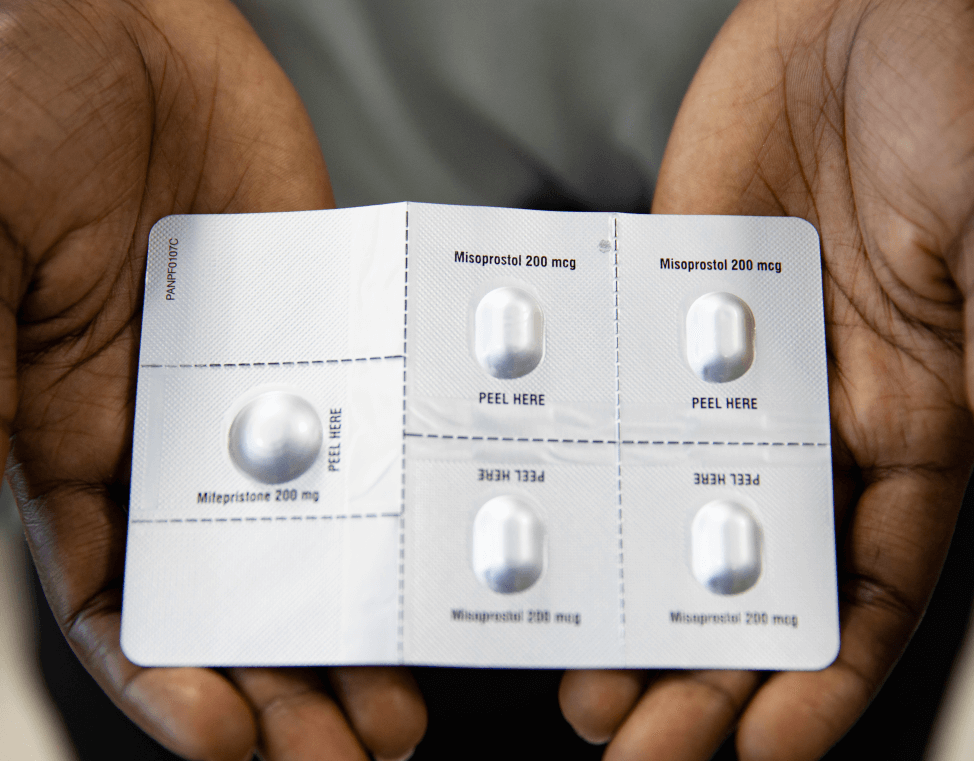
Medication abortion is incredibly common and currently accounts for about 63% of all abortions in the U.S.
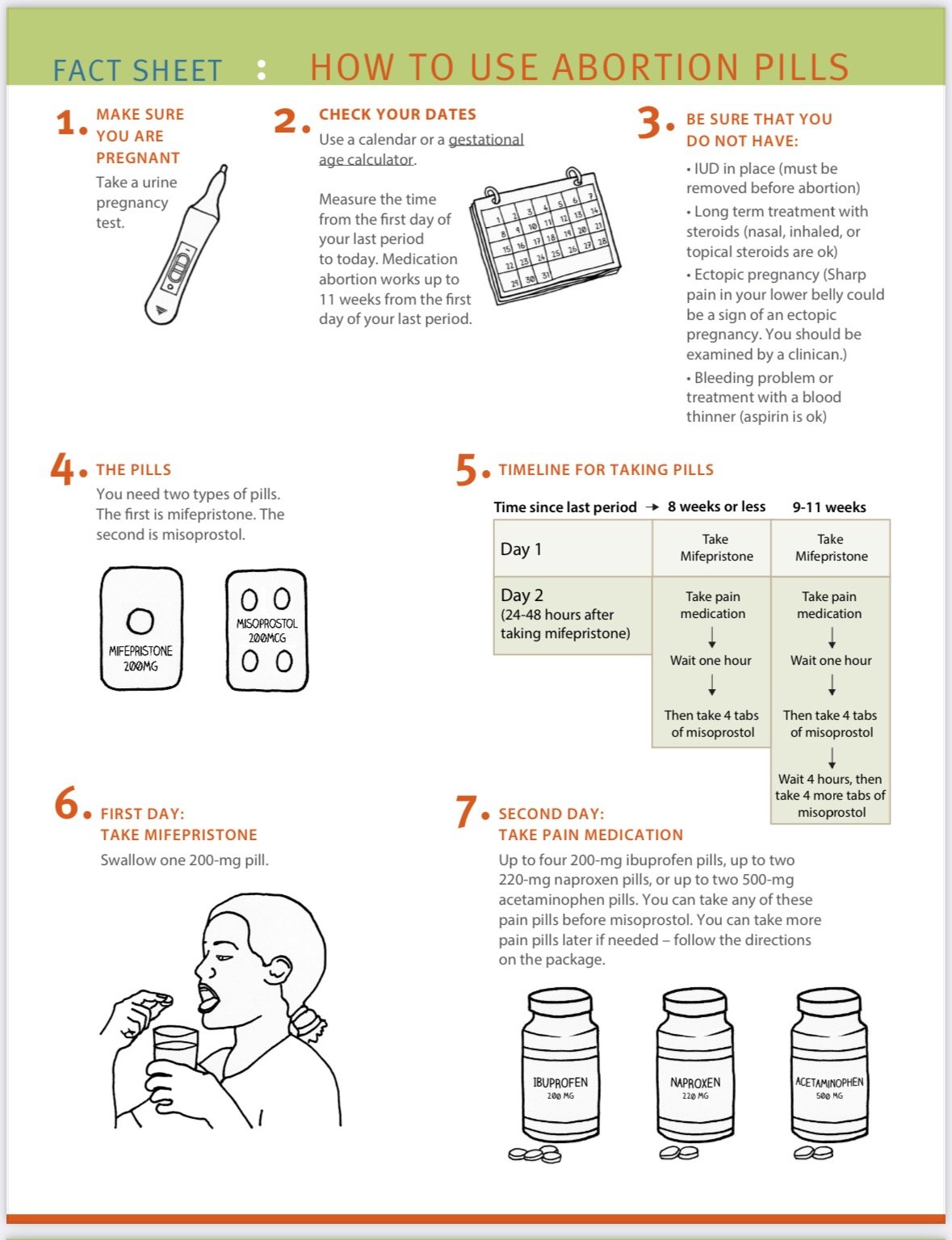
It involves either a two drug regimen —mifepristone to stop the pregnancy and misoprostol to expel it from the body—usually within the first 10-11 weeks of pregnancy, or it can be accomplished with misoprostol alone. Medication abortion is a safe and effective option, with over 99% of people reporting no serious complications.
procedural abortion
Procedural abortion is a common and safe method, typically done in the first trimester, and involves a quick procedure to remove the pregnancy from the uterus.
It’s usually performed through suction aspiration, dilation and evacuation (D&E), and induction abortion - depending on how far along the pregnancy is. It’s a very low-risk procedure, with most people recovering easily and within a few days.
induction abortion
Induction abortion is used for pregnancies later than the first trimester.
It involves medication to induce labor and expel the pregnancy. While it can take longer than other methods, it's generally safe with minimal risks. It’s carefully monitored in a medical setting.
“A woman’s right to choose an abortion is something central to a woman’s life, to her dignity… And when government controls that decision for her, she’s being treated as less than a full adult human being responsible for her own choices.”